
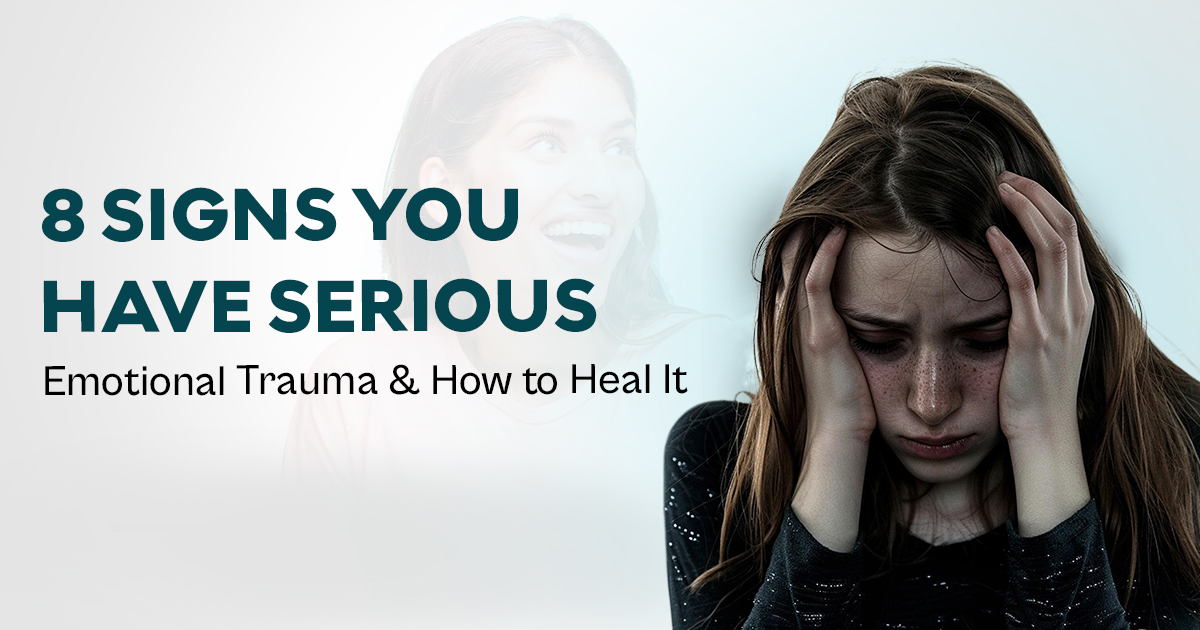
Emotional wounds remain hidden but affect our mind and body for many years. Physical injuries heal naturally with time but emotional pain needs deliberate attention to get better. A memory from the past that still causes hurt could mean you have unresolved trauma. The following eight signs show emotional trauma along with steps you can take to recover.
1. You’re Existing, Not Living
You follow routines ‒ work, eat, sleep ‒ but feel empty inside. Activities that brought you joy don’t excite you anymore. After a loss or betrayal your mind tells you that you don’t deserve happiness. The path to recovery starts when you face your hurt, ask others for help as well as permit yourself to feel good again without shame.
2. You Have Intense Emotional Reactions
Do small inconveniences make you disproportionately angry, sad, or anxious? Emotional wounds make us hypersensitive to triggers. If you often find yourself overreacting or feeling overwhelmed by seemingly minor situations, it may be a sign that past trauma is still affecting you. Instead of suppressing your emotions, try to identify the root cause and process them in a healthy way
3. You Repeatedly Relive the Pain
If you constantly replay past hurts in your mind, unable to move on, your trauma is still unresolved. While reflection is helpful for healing, ruminating over the same painful experiences without seeking closure only prolongs suffering. Ask yourself: What am I hoping to gain by revisiting this memory? Shift your focus toward solutions and steps to move forward.
4. Fear Holds You Back
Trauma creates fear toward new experiences in people who faced previous pain. A person may avoid relationships or chances out of fear from past wounds. The fear of another injury leads some to reject helpful opportunities along with positive challenges. Small steps toward personal growth make the road to healing possible despite these fears. The path includes honest acceptance of risks as well as focus on good results that wait ahead
5. You Struggle With Sleep
Emotional distress often manifests physically, and sleep disturbances are a common sign. If you have trouble falling asleep or frequently wake up feeling unrested, it might be your body’s way of processing unresolved emotions. Establishing a calming bedtime routine—reducing screen time, practicing mindfulness, or sipping herbal tea—can help regulate your sleep cycle and support emotional healing.
6. You Feel Disconnected From Others
Trauma often leads to withdrawal and isolation. You might avoid deep connections because vulnerability feels too risky. However, meaningful relationships are essential for healing. Opening up to trusted friends, family, or a therapist can provide the support you need to work through your pain.
7. Physical Symptoms Without a Clear Cause
Unresolved trauma doesn’t just affect the mind—it impacts the body too. Chronic fatigue, headaches, muscle tension, or digestive issues can all be linked to emotional distress. If medical tests show no clear cause, your symptoms may be psychosomatic. Engaging in regular physical activity, deep breathing exercises, and therapy can help release stored emotional tension.
8. You Struggle With Self-Worth
Emotional scars bring up doubts about our worth. Past difficulties cause feelings that you don’t deserve affection or success. These beliefs take root when others hurt or reject you. A path to recovery opens when you see the value inside yourself along with treating your mind with kindness.
How to Heal Emotional Trauma
1. Acknowledge Your Pain
Ignoring trauma won’t make it go away. Allow yourself to feel and validate your emotions instead of dismissing them.
2. Seek Support
Talking to a trusted friend, therapist, or support group can help you process and reframe traumatic experiences.
3. Practice Self-Care
Prioritize activities that nourish your body and mind—exercise, meditation, journaling, or creative outlets.
4. Set Boundaries
Avoid environments or relationships that trigger past traumas and focus on creating a safe space for healing.
5. Develop a Growth Mindset
Instead of fearing challenges, view them as opportunities for personal growth. You are not defined by your past; you have the power to heal and thrive.
6. Professional Help
Therapy, whether cognitive behavioral therapy (CBT), EMDR, or counseling, can be incredibly effective in processing deep-rooted trauma.
Final Thoughts
Emotional trauma does not need to control your life forever. The path to recovery needs time and work yet leads to success. A person deserves a life with meaning that breaks free from old wounds. You can take steps toward recovery right now ‒ seek help from others along with guidance because the road to wellness starts with a single choice.